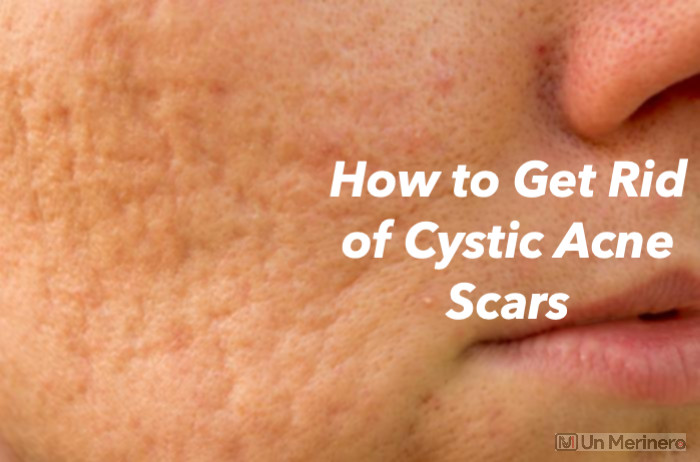
Are you having a hard time getting rid of those pesky bumps on your face and body?
You don’t have much to worry about when you have a seasonal breakout or small zits on your face.
If you notice angry red pimples, which are painful for a long period, then you might need to read this article very carefully as we are going to let you know some important facts about a condition known as cystic acne.
Hei! I am Sayema Khanam and today I have Manami Dey as my pharmacist to discuss the treatment of cystic acne.
Here we will talk about the query “how to treat cystic acne?”
What is Cystic Acne?
As we promised, we will talk about “how to treat cystic acne?” but before going there, we need to know what it is!
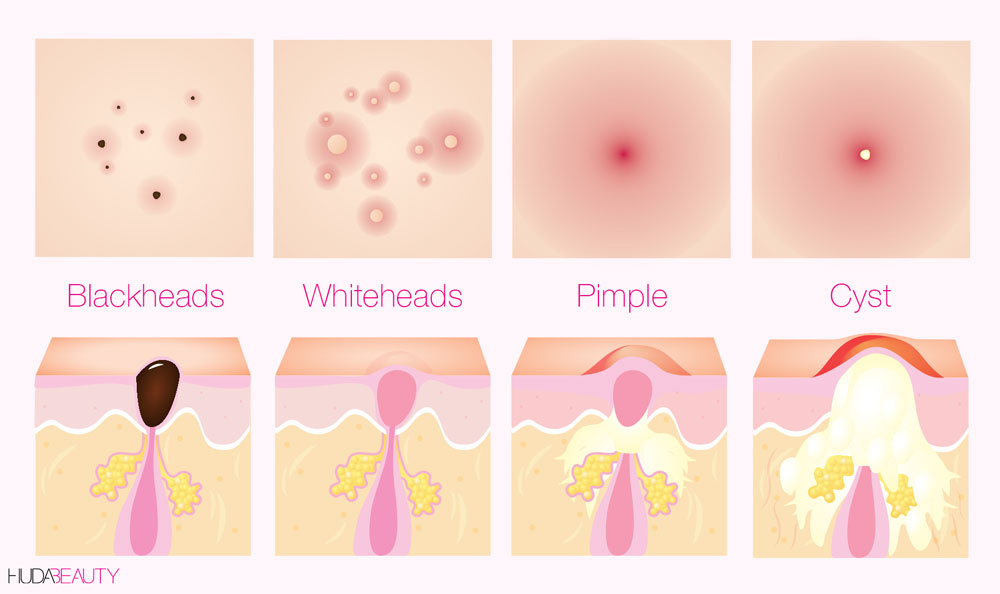
Cystic Acne is a condition defined by a prolonged breakout on the deepest layer of the skin and is manifested by large, red bumps filled with yellow pus inside.
This yellow portion is the cyst, and for this reason, it is called cystic acne. People with extremely oily skin are more prone to being infected with cystic acne.
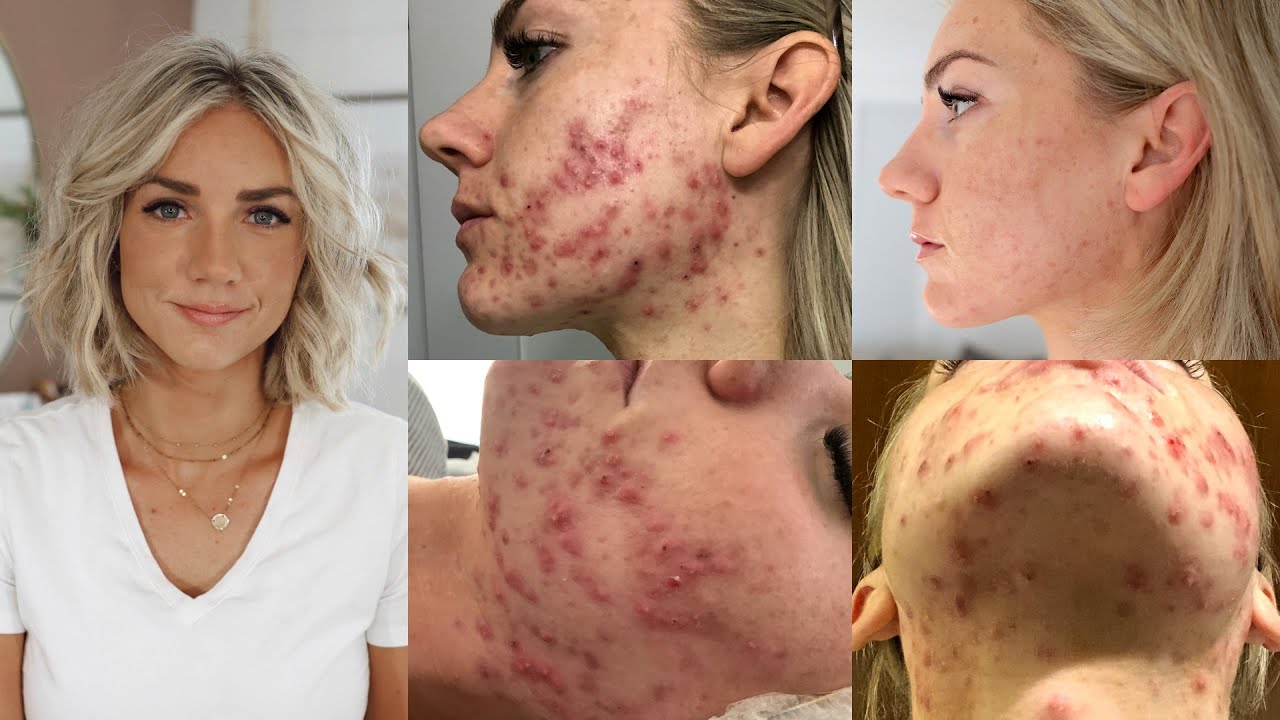
This is because the excessive oil on your skin can clog the pores and cause bacterial infection. It is the most severe form of acne.
Even though most people suffer from acne nowadays, cystic acne is rather uncommon and not seen in many people.
However, the rate is relatively increasing as our environment is not friendly anymore.
Excessive air pollution increases the rate of dirt and oil on our skin, which can trigger this kind of condition.
If you think you have cystic acne, you should always consider your dermatologist as your first option.
Identification of Cystic Acne
There are certain cases where you think you have an outbreak and start panicking while it’s nothing but an allergic reaction.
Allergic reactions are characterized by itchy, red, and scaly patches, whereas red blemishes depict acne outbreaks.
Cystic acne is a little different from regular blemishes.
It is very deep within the skin; if you gently press on your pimple, then you can feel a bump inside your skin as well.

First, it appears like a small pimple, but gradually it becomes red and excruciating. After one or two days, you will observe an angry yellow bump or a cyst.
This will turn into a huge blemish, and if it is popped, then the cyst will burst out, and this will spread.
It can appear on your face, shoulders, back of ear, neck, and chin. But it is most prominent on your face, which can turn out to be very severe if you can’t control it.
Causes and Development of Cystic Acne
This condition is the most serious form of acne.
First, if you are suffering from cystic acne, you need to identify by noticing the pimples very carefully.
After that, you can look for the causes and development.
Because by knowing the root cause of these pestering bumps, you can finally eliminate these for the long term.
Oily Skin and Bacterial Infection
As I have mentioned before, people with very oily skin are more prone to this infection.
I will explain why this occurs.
There are certain pores in our skin through which the unwanted particles and dead cells are eliminated through sweat.
At the end of this pore beneath the skin, hair follicles are located, connected to the sebaceous glands.
Sebaceous glands produce oil, which is the main attraction point for bacteria. If you have oily skin, it means the sebaceous glands of your skin produce excessive oil.
Then the hair follicles and oil get plugged inside your skin. Meanwhile, the bacteria on the skin’s surface attacks the plug and survive through the plug of oil dead cells and all unwanted particles, and finally converts into a small cyst.
This causes the immune system to interact with the bacteria and kills them.
After that, the dead particles push through the pores and get inflamed, and this is how red angry pimples appear.
Hormonal Reaction
In both men and women, hormones play a huge role in the skin’s effect, but the manifestation is quite different.
In males, during puberty, the testosterone level rises, promoting greasy skin and eventually increasing the extent of cystic acne.
In females, the extent of cystic acne might occur during puberty, at the beginning of the menstrual cycle, or during menopause.
So, teenagers and older women are both at risk factors for an acne outbreak. If estrogen level falls then, oil production is triggered, but progesterone’s role on blemishes isn’t clear yet.
Makeup or Skincare Reactions
If you are a makeup lover or go too overboard while buying skin care products, it’s outstanding.
But you should know what products to use and what products to avoid.
Sometimes, foundations and concealers can impart an acne outbreak.
This occurs when you buy foundations made for dry skin.
These foundations have an oil base that increases oil production, which leads to forming blemishes.
On the other hand, different skin-care products with an oil-base are quite harmful to the skin, Like- milk toners, dewy moisturizers, glycerin, etc.
Treatment of Cystic Acne – How to Treat Cystic Acne!
Cystic Acne is such a severe condition that it leaves most people very worried.
The embarrassment due to this might even lead to depression.
Everyone wants clear skin, but some people might not get lucky all the time due to various factors.
If you are suffering from this condition and on the verge of anxiety due to this disease, we are here to tell you that it is okay.
Every problem has a solution, and hopefully, your condition has numerous solutions and treatment options.
OTC drugs are not much effective in the treatment of cystic acne. Since this condition is very severe, the normal OTC drugs are weak and cannot affect a lingering effect.
I will be covering the treatment methods of cystic acne based on different skin types.
But you need to talk to your dermatologist first and NEVER try it on your own without proper consultation.
The following information about medications might help you to gather some idea regarding the treatment for your condition-
Isotretinoin
This class of drug is most effective in the treatment of severe cystic acne.
This is also known as Accutane. Isotretinoin is a powerful form of vitamin A, and it reduces acne progression by reducing sebum production to the minimum.
This drug is usually followed by two months of treatment, where on the first month, the breakout will be severe.
Don’t get worried because it fastens the killing of bacteria and the rate of inflammation. It creates such protection where there is minimum oil production, but the bacterial invasion is blocked.
Within three to four months, you will feel way better, and the results will be very satisfying.
However, this is a potent drug as it is deeply absorbed into the skin.
It can pass to the lungs or, in the case of pregnant women, to the child.
So it is highly contraindicated to pregnant women, and if you plan on taking this drug, don’t plan to conceive for the next two years.
While taking this drug, if you face certain problems like- bowel disorders, rapid mood swings, blood in urine, excessive skin inflammation, then immediately stop taking this drug and consult with your dermatologist right away.
For this reason, you should be very careful before selecting your treatment option.
Oral Antibiotics
Oral antibiotics are very effective in treating bacterial invasion.
A bacterium called Propionibacteria acnes resides on the skin’s surface and most likely to cause breakouts and inflammation.
Apart from topical antibiotics, the oral ones effectively kill the bacteria and reduce the progression. Some commonly used antibiotics are
| Name of Antibiotic | Use of the Antibiotic |
| Erythromycin | Eliminates bacterial invasion and reduces inflammation |
| Tetracycline | It slows the growth of bacteria and imparts an anti-inflammatory effect |
| Minocycline | It stops bacterial invasion and inflammation but less effective in treating blackheads or non-inflamed pimples. |
| Doxycycline | Treats moderate to severe acne. It reduces bacterial progression by controlling it. |
Topical Retinoids
Retinoids are also a class of Vitamin A, and it is a form of acid.
There are various dosage forms of retinoids like-gel, ointment, foams, creams, etc.
Although these drugs are potent, very much less compared to isotretinoin, the side effects are also less. Hence these drugs are very safe to use.
Retinoids facilitate the exfoliation of the dead cells from the deepest layers of the skin (hair follicles) and promote the new cells’ formation.
The new cells then eliminate dead cells through blackheads and get excreted. Adapalene is a topical retinoid, but cystic acne can be treated with more powerful retinoids like
- Avita